





Content warning for sexual assault and suicide.
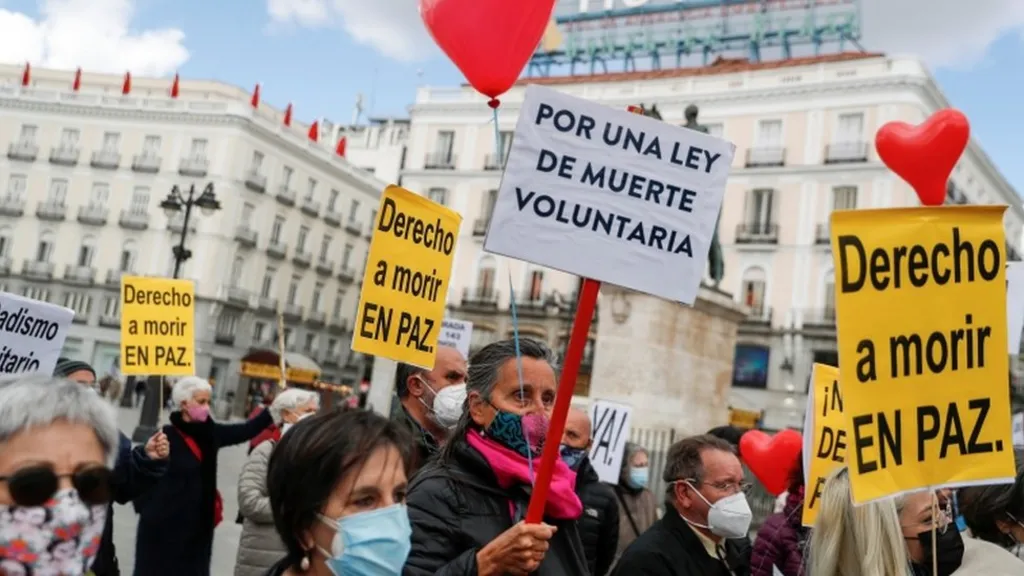
If you’ve been online in recent months, you might have heard about Noelia Castillo Ramos, a 25-year-old Catalan woman who recently obtained the right to die by euthanasia after an 18-month legal battle against her father and the religious group, Abogados Cristianos (Christian Lawyers, in English).
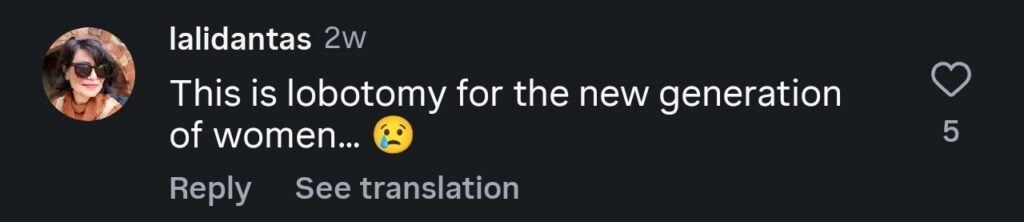
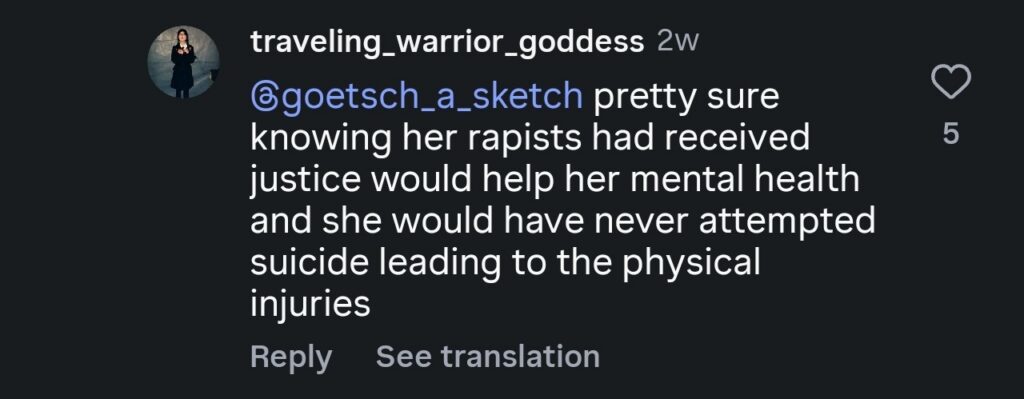
While reacting to the admittedly shocking news, many jumped to side with the father and praised his refusal to give up on his “depressed daughter”. Many more strongly challenged Noelia’s decision, bewailing the state of the world’s youth and a government that would allow, and even assist, a “troubled” girl in ending her life. Furthermore, comment sections everywhere are full of indictments such as “she still had so much to live for”, “there’s nothing that time won’t heal”, “nothing is ever bad enough”, and “I don’t really believe what she went through”.

What most of these reactions ignore is the series of traumatic events that led to Noelia’s uniquely personal choice; our collective failure as a society that systematically ignores women’s pain in its many forms; and the basis for assisted death in Spain and elsewhere that is allowed to this day.
While many sources focused on Noelia’s very real depression as the main reason for choosing euthanasia – with many dismissing her mental struggles as a lack of a strong will or religious faith – the truth is a lot more complex. Indeed, it reveals layers upon layers of abuses and injustices throughout her life that remained unchecked and unaddressed in both the private and the public spheres.
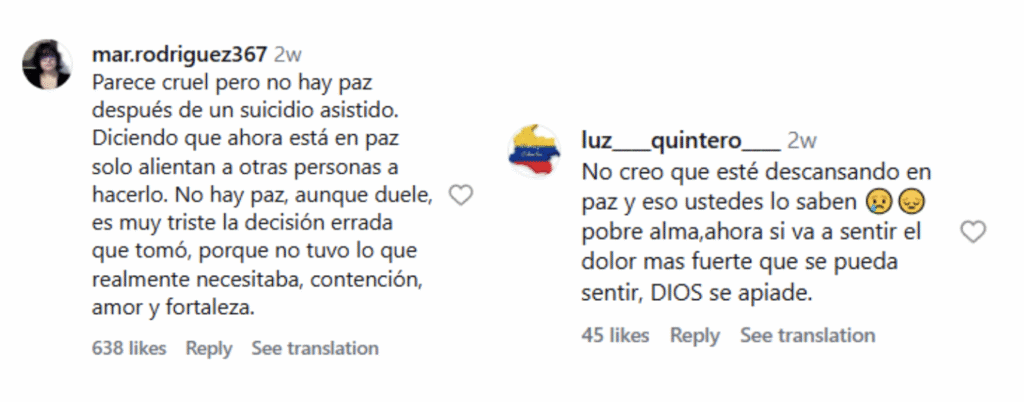
Translation of right: I don’t think she’s resting in peace and you all know that. Poor soul, she will now feel the greatest pain there is, God have mercy on her.
In the spirit of not needlessly exploiting her trauma, I won’t be detailing the multiple instances of sexual abuse she was a victim of throughout her life. Suffice it to say she suffered from family abandonment since childhood due to her parents’ substance abuse, spending her formative years in care homes where her safety and basic emotional needs were ignored. This fact would continue to be true into her early adulthood, culminating in a particularly traumatic event in 2022.
It was this final event that led her to attempt to take her own life by jumping out of a five-story building – an incident that she survived with multiple injuries. Thus, what she had hoped would end her mental suffering – whether or not we agree with or seek to understand the complexities of that choice – ultimately failed and instead only exacerbated it on an excruciating physical level.
Afterwards, Noelia was diagnosed with back injuries, causing chronic, irreversible spinal cord damage and leaving her paraplegic. She also developed growing neurological pain and severe myalgic encephalomyelitis (also known as chronic fatigue syndrome), which causes extreme hypersensitivity to light and noise. Due to her condition, Noelia was forced to live her days in near total isolation, depending on darkness and silence in an attempt to keep her pain at bay.
Conveniently, it would seem, many of those who challenged her decision to end her life leave out this long list of chronic afflictions, as well as the stark – and for her, unbearable – sum of all of them: an irreparable loss of bodily autonomy, accompanied by excruciating pain.
It was only a few months after this suicide attempt that she first expressed her wish to die via euthanasia, a method that allows those who suffer irreparable pain to end their lives with the dignity that suicide can hardly afford.
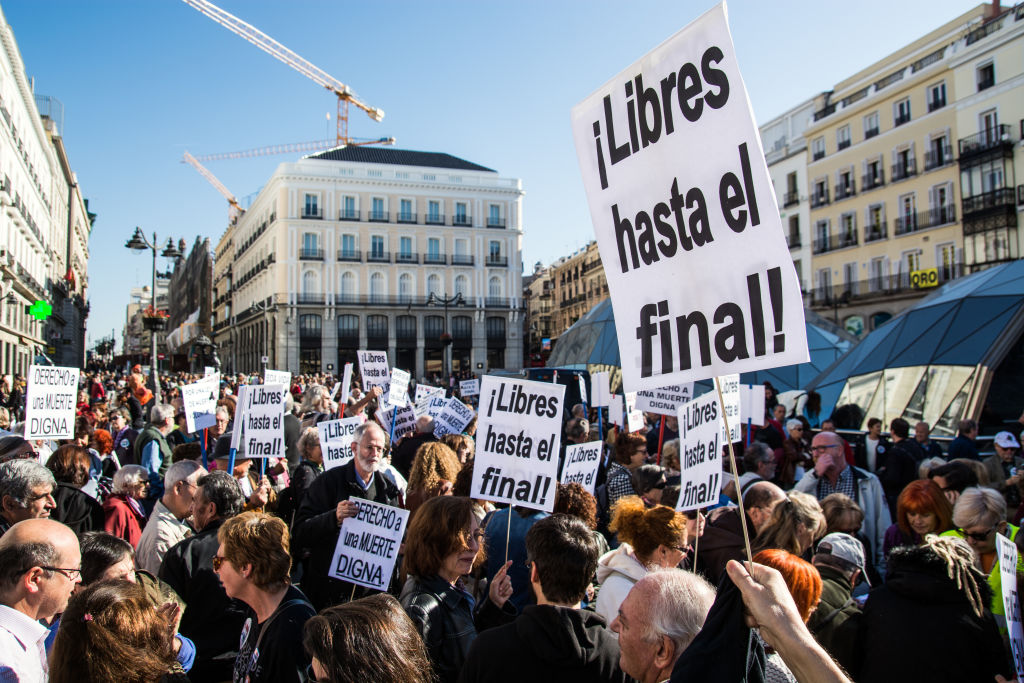
Whereas suicide often involves some level of violence or bodily trauma and is cloaked in secrecy, shame, and despair, processes such as euthanasia and medically-assisted dying* offer patients control over their own suffering and accompaniment throughout the process. This ensures that the patient’s informed consent is guaranteed at every step and their condition is properly evaluated – here, it is worth noting that it is not necessary for a patient to have a terminal illness.
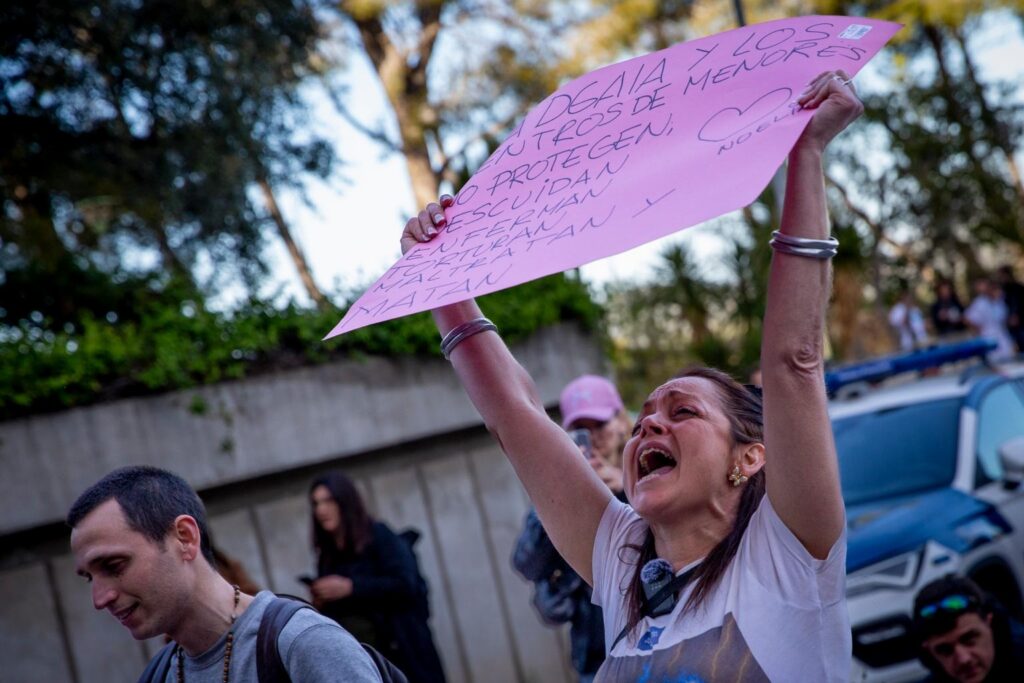
In Noelia’s case, the appropriate authorities determined then that they had to wait a year in order to see how her injuries evolved and whether her desire to receive euthanasia was momentary due to her present frustrations or a permanent/conscious choice. Therefore, it was not until November 2023 that Noelia met with the Comisión de Ética Asistencial de L’Alt Penedès-Garraf (Healthcare Ethics Consortium Alt Penedès Garraf), the entity in charge of overseeing euthanasia requests.
She was ultimately granted the right to die in 2024 after multiple months-long examinations and revisions. According to a thorough timeline provided by El Confidencial, the following facts were determined:
- January 30, 2024 – 74% of Noelia’s mobility was affected.
- March 22, 2024 – Noelia understood the gravity of her request and was competent to make it.
- April 4, 2024 – Noelia maintained her decision, and the euthanasia process could get started.
- April 10, 2024 – The formal request was filed, and her doctor, in accordance with the law, submitted a new report corroborating that her physical condition was permanent and irreversible. The doctor also concluded that Noelia suffered from constant pain due to an underlying psychiatric condition that was aggravated by the aftereffects of her neurotic pathologies.
- April 25, 2024 – A second doctor specialised in clinical neuropsychology and palliative care confirms Noelia’s will to die.
- June 13, 2024 – Noelia undergoes an additional psychiatric evaluation due to her age and history, which ratified her full understanding in making this decision, ensuring that her condition didn’t affect her ability to make it.
- July 15, 2024 – 19 separate professionals, comprising the plenary session of the Comisión de Garantía y Evaluación de la Comunidad Autónoma (Catalonia’s Guarantee and Evaluation Commission), unanimously resolved to issue a report in favour of Noelia’s request to die by euthanasia.
Despite this positive ruling, Noelia’s long-absent father challenged her decision with the legal aid of the conservative campaign group Christian Lawyers— an ultracatholic group which had previously impeded a 54-year-old woman with multiple sclerosis from receiving euthanasia after her mother physically barred the medical team from entering the woman’s home.
Together, Noelia’s father and Christian lawyers declared Noelia incapable of “making a free and informed decision about euthanasia” due to her mental disorders and that “the failure to suspend euthanasia would cause extremely serious, absolutely irreparable harm, which would take the life of only a 23-year-old woman”.
Núria Terribas, vice president of the Bioethics Committee of Catalonia, lamented in a 2025 interview that any third party could judicially challenge another person’s right to decide over their own life. “To disregard the suffering of the person,” she said, “ is very cruel”. In regard to Noelia’s case, she noted that its deterrence had caused great indignation among those at the euthanasia guarantee commission and signalled the role of the aforementioned ideological group, which, she stated, “opposed euthanasia on principle” and therefore manipulated families to judicially oppose these decisions.
During the course of the legal battle, her case was reviewed by 32 specialists including doctors, psychiatrists, and lawyers, who ultimately declared her competent to make such a decision despite her father’s opinion. In contrast, Spanish law requires only one doctor’s medical analysis, a second ratification by another unrelated medical professional, and the Commission’s final approval to go ahead with the euthanasia process, which has been legal in the country since 2021 and was administered to 426 people in 2024 alone.
Why is Noelia’s case so galvanizing then, while hundreds of earlier cases have largely gone unnoticed by the international community? The easiest answer at hand would seem to be her young age, as if youth conferred her a moral obligation to continue to bear down her life in pain.
Or is it because many have chosen to ignore the irreparable physical ailments that are crucial to understanding Noelia’s decision and the medical and judicial authorities’ support of it? Or is it because many have used her as a jumping point to criticise the government, and with it everything from feminism to immigration to mental health?
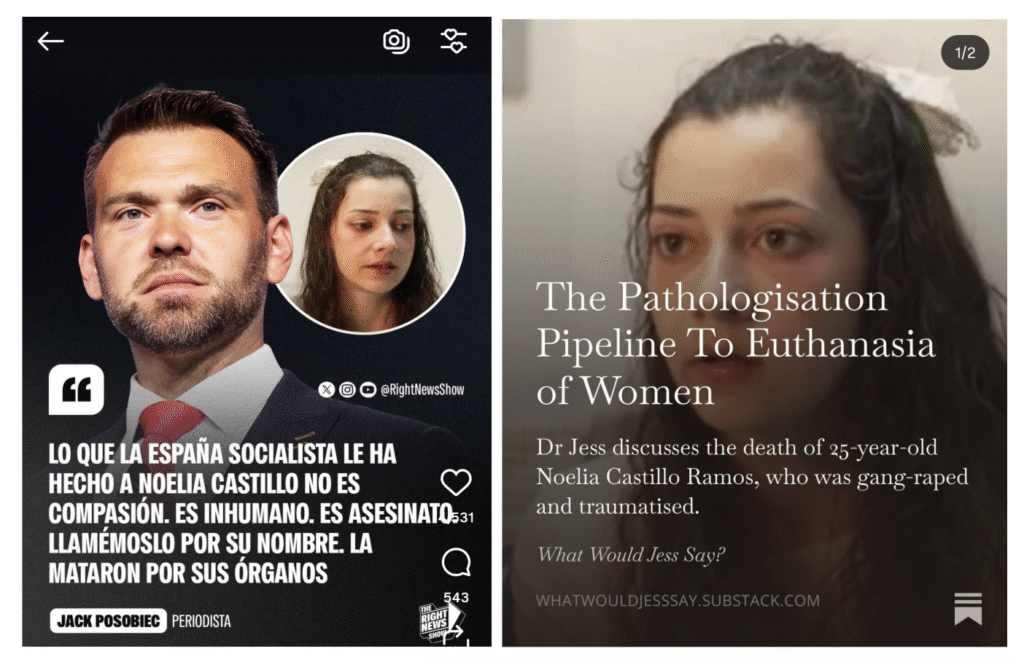
Maybe because people are still centering the men in her life, her father and those who abused her, as key figures in her right to make a deeply personal choice? As if punishing them now would somehow cure her and take away years of trauma and systemic failure she experienced throughout her life.
Then again, perhaps euthanasia is such a flashpoint because we as a society, composed of believers and non-believers alike, still choose to see death as a shameful moral failing – and worse, a sin – and suffering as a human condition others — women, children, and old people – should simply bear just as long as we don’t have to watch and listen?
Noelia was systematically failed by virtually every institution that should have protected her since infancy—her nuclear family, the government, and even by a Church that insisted, despite her expressed desire to end her life, that her suffering could simply be alleviated by “attention, treatment, and hope” despite expert medical opinion indicating otherwise. But she was also someone who, unlike us, was charged with a deep understanding of the consequences of her previous suicide attempt(s), just wanted to die with dignity and refused to let others prolong a pain that only she could truly know.
Noelia’s wish became a reality on March 26, following the European Court of Human Rights’s ruling to deny her father’s request for precautionary measures. What came after was a bittersweet triumph, including hundreds, if not thousands, of feminist groups and individuals celebrating her voice being heard, a voice that for two long years begged for an end to her pain.
There’s no denying that her case is bound to raise many questions even for years to come, but I for one fail to see how some strangers on God’s internet could have a better grasp of her situation and the options available to her than she herself after living with her own physical and mental pain for many years, a time prolonged by those who sought to silence her trauma and the entirety of her life’s experience.
While Noelia’s story should outrage us, this outrage shouldn’t be directed towards her or any other past and future victims of sexual assault or those who, due to their mental and physical condition, suffer excruciating pain with no relief in sight.
*While euthanasia and medical aid in dying are sometimes used interchangeably, they are very distinct practices. On the one hand, euthanasia refers to a practice by which a provider administers a lethal medication to end a patient’s suffering and life. Medical aid in dying, on the other hand, entails a terminally ill patient with a prognosis of six months or less to live self-administering a prescribed medication to achieve death, regardless of their level of suffering. Neither procedure should be conflated with suicide, which is a major public health concern, as this only perpetuates harmful and stigmatizing myths about those wishing to die with dignity at the end of a grave or terminal illness.
Written by Paulina Odeth
Paulina Odeth Flores Bañuelos (1995) majored in English Literature from the National Autonomous University of Mexico (UNAM) in 2019. In 2020, she was granted a full-ride scholarship to undertake the joint master’s degree Crossways in Cultural Narratives at the University of Tubingen (Germany), the Adam Mickiewicz University (Poland), and the University of Santiago de Compostela (Spain). In 2025, she became a children’s book author with her first book Bruno (siempre) dice NO, illustrated by Óscar Zermeño.