





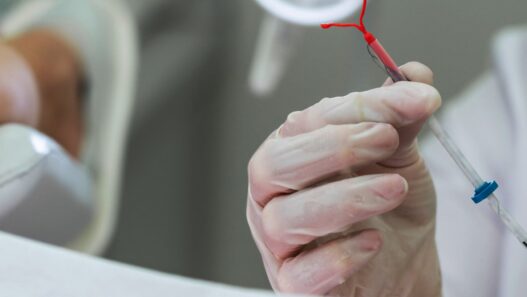






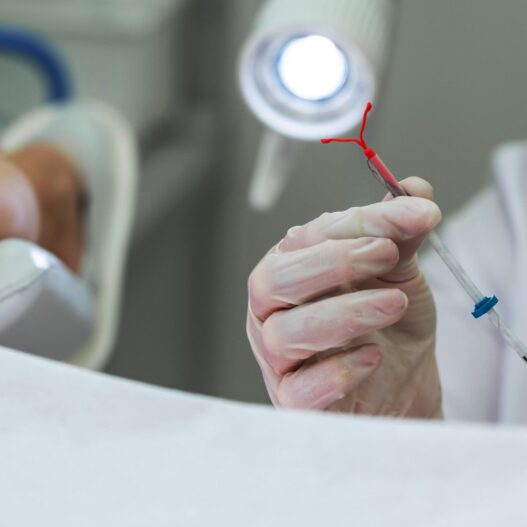
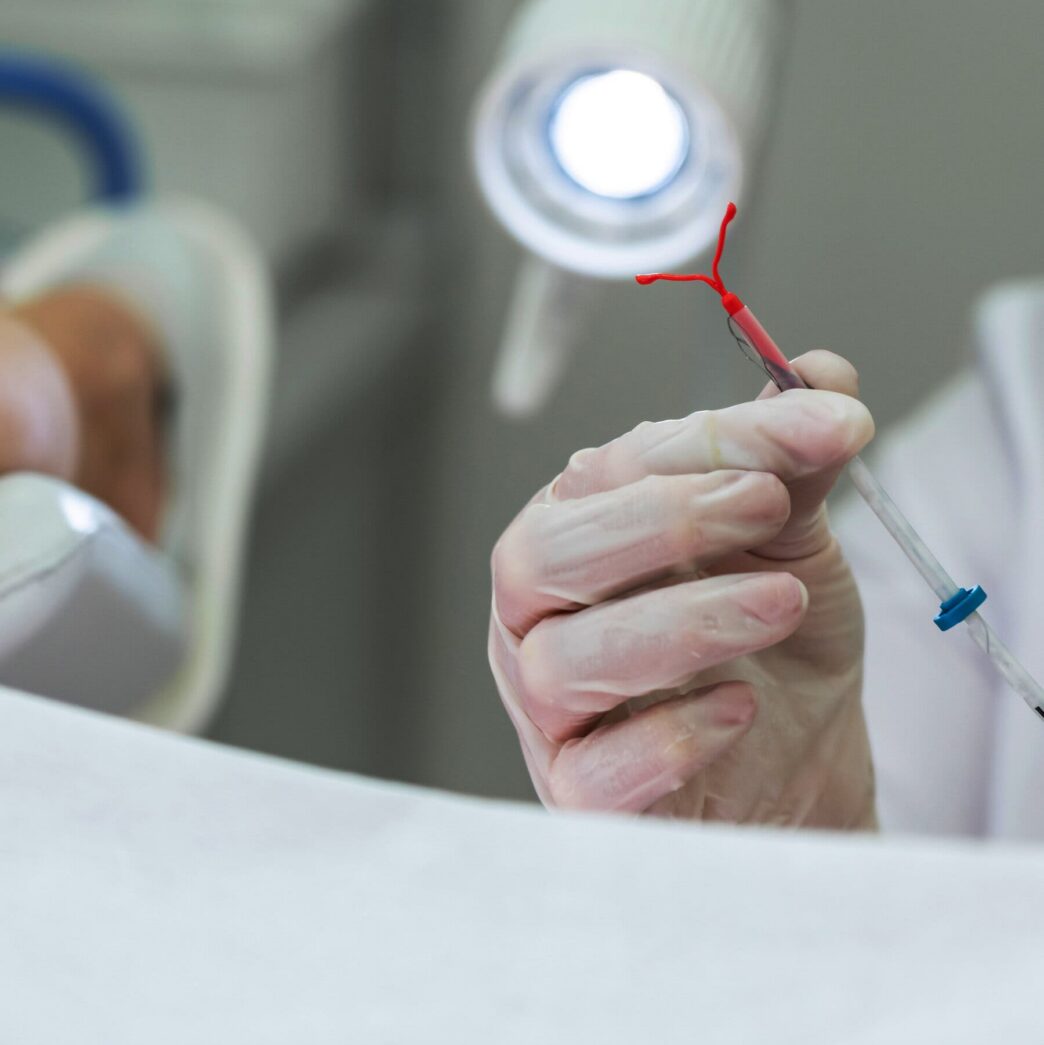
“You’ll just feel a quick pinch,” is what many women hear before an IUD insertion. But the reality is often very different. Cecilia, from Argentina, had an IUD fitted in November 2023 and describes the pain as “horrible”. “Tears were rolling down my face, but the gynaecologist just said it was two minutes of discomfort and would soon pass. When she finished, she told me to get up and get dressed, even though I told her I felt very dizzy. She said it would go away…I almost fainted in the street, and the friend who came with me had to hold me all the way home so I wouldn’t collapse. I was in severe pain that day and for days after.”
Cecilia’s case is just one among thousands. For many, the pain is far from mild—some even describe it as the worst pain of their lives. Yet, these experiences are routinely dismissed. The reality is that access to safe, dignified contraception is a fundamental human right. However, for millions of women choosing an IUD, exercising that right still comes at the cost of severe, unmanaged pain.
Every day, thousands of IUDs worldwide are inserted using a century-old tool inspired by a Civil War bullet extractor. The tenaculum—used to hold the cervix in place—was designed by French surgeon Samuel Pozzi in 1889. That same battlefield-surgery design remains very much unchanged today: it is the exact instrument that causes sharp pinching, severe cramping, and, in some cases, heavy bleeding. So why is a 19th-century tool still the standard?

Because women’s pain and experiences are still not taken seriously. Severe pain during an IUD procedure is not an inevitable biological fact, but the result of a gynaecological system that minimises women’s suffering and ignores modern, gentler alternatives.
Dr Michal Yaron, head of the Ambulatory Gynaecological Consultations at Geneva University Hospitals, and responsible for the Paediatric and Adolescent Gynaecology Centre, notes that the dismissal of women’s pain in medicine is a centuries-long phenomenon. It stems from a time when procedures were carried out on enslaved women without anaesthesia, and from the false belief that, because women are ‘designed’ to give birth, they can endure any pain.
“There is a long history of repeated maltreatment and denial of women’s pain. When doctors tell a woman she will only feel ‘a little pinch’ and she experiences severe pain, it creates a gap of mistrust between the provider and the patient”, she explains. Before her IUD insertion, Cecilia was told to take two ibuprofen tablets beforehand, as she could feel “a bit of discomfort”, the doctor warned her. “A friend had told me it was awful, but I didn’t believe her… I trusted the doctors.” That trust soon dissolved, as she experienced one of the “worst pains” she has ever felt.
The #DiuSinDolor campaign and what the data says
In recent years, thanks to the dedicated work of women’s organisations and campaigns, pain during IUD procedures has finally been defined and measured. In Argentina, the #DiuSinDolor (#IudWithoutPain) campaign—launched in October 2024 by the National Campaign against Gynaecological and Obstetric Violence—found that between 71.1% and 85.8% of women surveyed described the pain of IUD insertion as very severe. Furthermore, 43.6% received no prior information about potential pain-highlighting a lack of genuine informed consent—and over 73% described their overall experience as average or very poor.
On the other side of the world, the story is the same: across Europe and much of the globe, the procedure is still perceived as just as painful as it was a decade ago, exposing a structural stagnation in gynaecological care. As Dr Yaron points out, this disconnect damages the core of healthcare and women’s wellbeing, and the first step that needs to be addressed is creating more structured and person-centred consultations.
“We should really level up expectations, whether it’s, from one hand, the medical part, which is effectiveness, the cause, the duration”, Dr Yaron explains, “but also the less nice things like the bleeding patterns that change, the risks, the analgesia that could be part of the procedure”. She highlights how the fact that doctors don’t take time to explain and talk about less painful methods creates a big discrepancy between the reality and what many women think of the procedure.
IUD Insertions Don’t Have to Hurt This Much
Even though the tenaculum is an outdated tool that causes unnecessary pain and bleeding, it is still the standard choice in gynaecology today.
Dr Yaron insists: “The tenaculum was invented to extract bullets. Can you see a man accepting the use of a tool like this on his testicles or penis? Obviously not. But women are expected to just bear with it.”
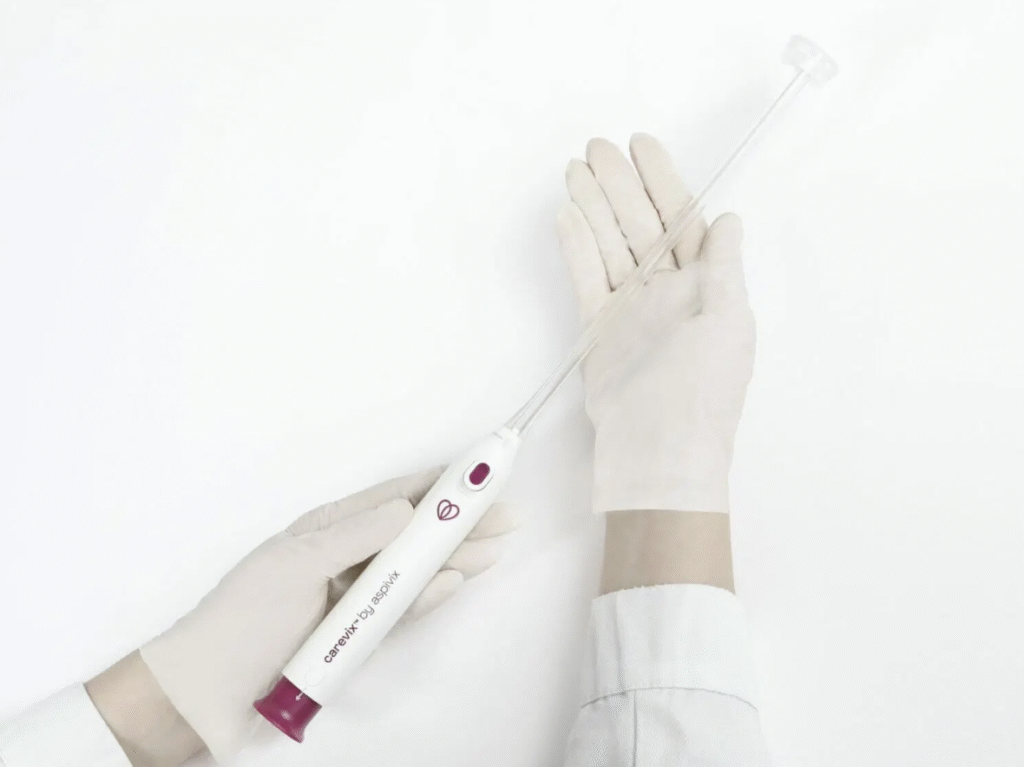
Luckily, gentler alternatives are beginning to emerge. Dr Yaron was the principal investigator in Geneva for the trial validating one of these devices, Carevix, a tool that uses gentle suction to hold the cervix without piercing it. The study, conducted across two Swiss university hospitals, was a randomised controlled trial involving 136 women undergoing IUD insertions or other routine cervical procedures. It compared the traditional metal tenaculum with Carevix, highlighting clear improvements in patient well-being.
According to Dr Yaron, 94%of patients surveyed were satisfied with the procedure using Carevix. Additionally, 73%said it was much less painful than expected, and 81%found the insertion easy or the pain entirely manageable.
However, less invasive tools are only half the solution to this structural issue. Local anaesthetics, such as paracervical blocks (a local injection of numbing medicine near the cervix to block pain), already exist to reduce pain, yet many gynaecologists avoid them due to a lack of practical training, fear of causing extra pain during injection, or concerns about delaying consultations. Projects like RoVa address this exact training gap by offering simulation models that allow clinicians to master paracervical blocks quickly, safely, and confidently.
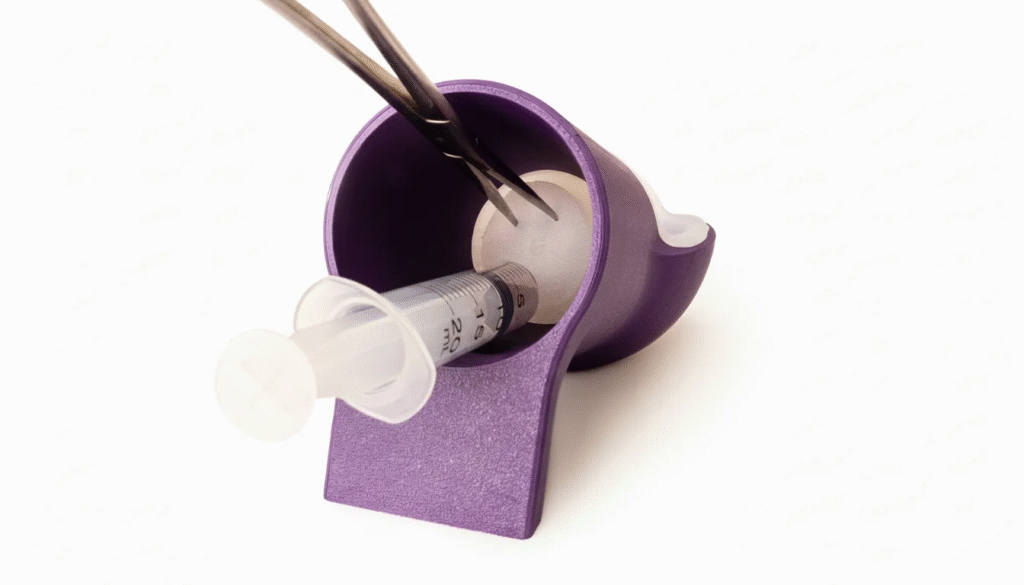
Furthermore, as Dr Yaron notes, it is essential to tailor procedures individually, as every patient requires different levels of care. The pain experienced during an IUD insertion also depends heavily on the woman’s anatomy. Women who have never had a vaginal birth—known clinically as nulliparous patients—have a much narrower, firmer cervix, making the procedure significantly more painful than for those who have previously given birth.
Reducing pain relies not just on inventing new devices, but on updating clinical skills and overcoming resistance to new pain-management techniques. “Changing habits is always difficult,it also means losing time,” Dr Yaron explains. “New habits demand time and patience, and probably a bit of frustration, but the success rates are high from the start.”
For her, the priority now is training a new generation of doctors—particularly younger ones, who are often women—on “what’s out there to decrease the pain perceived by women”. Dr Yaron highlights its quick learning curve with Carevix: “In our study on more than 1,200 procedures, the success rate went from 79% in the first five procedures to 84%after 12.97% of healthcare providers thought it was easy to use. Also, 75% said they gained time because they didn’t have to run after a bleeder as you do with the tenaculum.”
These innovations, however, can come with new barriers. The reality in Switzerland, for example, where this device was tested and developed, is that not all medical insurances cover the cost of Carevix, around 25 francs (about 26 euros). When pain management costs extra, avoiding pain becomes a privilege rather than a basic right. This economic barrier directly shows how misogyny and a lack of empathy still shape women’s healthcare. Many women trust that the insertion “won’t hurt that much” or that the pain is an unavoidable part of the process that they simply have to put up with.
And as Dr Yaron exemplifies, “there’s no man who wouldn’t pay 25 francs more to have less pain”, but women have been culturally conditioned to tolerate physical suffering and not to prioritise their own comfort. This highlights how important it is to raise patients’ awareness that pain is preventable and that they deserve dignified alternatives.
More importantly, these new tools must be available free of charge through national health systems, ensuring patients have access to safe and painless contraceptive methods.
Technical solutions like Carevix and training initiatives like RoVa are already emerging alongside citizen movements like #DiuSinDolor, which brings the suffering of so many women to the front page. What is missing now is the political and institutional will to implement them.
Written by Irene Martínez Martínez
Irene Martínez Martínez is a Spanish journalist with a background covering topics from social affairs to economic trends for outlets such as elDiario.es and Reuters, alongside press management in the publishing and cultural sectors. Specialising in reporting through a gender and feminist lens, her work explores social inequality, women’s rights, health, and memory politics. She holds a joint honours degree in Journalism and Film, TV, and Media Studies, has lived in Spain, the UK, and Poland, and is currently based in Luxembourg.
All pictures belong to their rightful owners.


