









Ever heard of Dry January? Many European countries follow this public health initiative, sobering up for the entire month of January in order to reevaluate their relationships with alcohol. In the Czech Republic, the month dedicated to a break from the raging consumption of alcohol is February.
Yes, you guessed right — it’s because February is the shortest month of the year.
Here’s another fun fact: the Czech Republic is the country with the highest beer consumption per capita in the world, followed at a distance by Lithuania. I used to be a dedicated contributor to these numbers. I guess I cannot call myself an alcoholic in the full sense of the word. I did not have to join A.A. (Alcoholics Anonymous), or go to a rehab to quit; I (almost) did not have blackouts, and I kept it together work-wise and socially, fulfilling all my responsibilities. I think that I have to “thank” my hyper-responsibility and control issues, which created a perfect baseline for “high-functioning alcoholism”. 
There were two key moments that led me to sobriety. First, I decided to check if I really drank that much. Because yes, it was almost every other evening, but it would be “just” 2 or 3 glasses of beer or wine — sometimes a couple of shots. I would always make it home safely, I would manage to do my 5-step skin care routine, and I would show up with my swollen face in the morning to wherever I needed to be. “When in doubt, look at the real data,” I told myself. So for two months I was meticulously inputting all the drinks I had into my drink tracker app while not limiting the intake whatsoever.
The numbers were scary: I had over 70 drinks in the first month. Ironically, the next month, when I tried to limit myself, I somehow managed to drink even more. That felt alarming, but not enough to make a big decision.
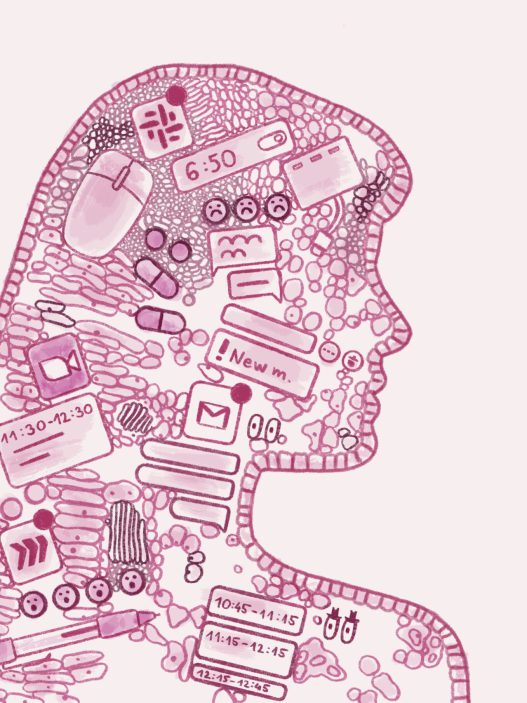
The last straw was when my mental health started to crumble to the point of losing my functionality in depressive episodes. That’s when I realised that if I removed “high-functioning” from the equation, what I was left with would be “alcoholism”. So I listened to my doctor and, starting with dry February 2024, embarked on my ongoing sober journey. Once I swapped drinks for therapy (and meds), the world didn’t suddenly turn perfect — but I did start noticing some unexpected changes. Here are a few that have stuck with me:
- Alcohol is Everywhere You Look
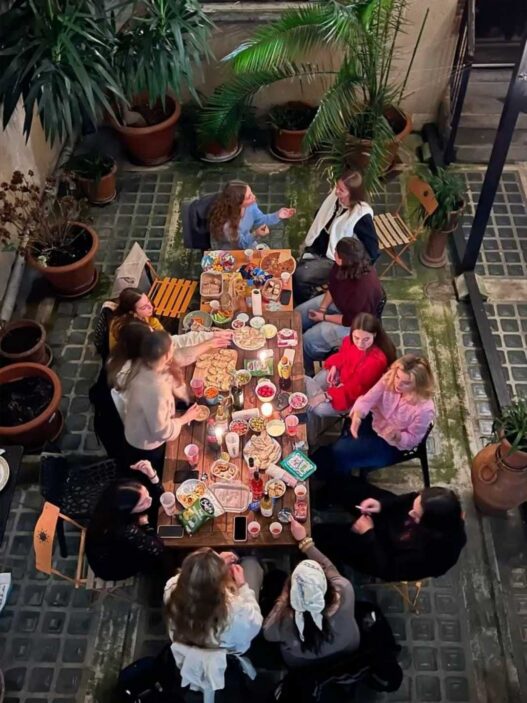
Ads in the metro, billboards and even YouTube. Every song, series or movie is full of dramatic or comedic moments tied to alcohol, some of them built entirely around a protagonist’s actions under the influence. It’s in everyday conversations too: people naturally assume that everyone drinks. Dates, work dinners, family gatherings — drinking is automatically implied.
It is almost as if alcohol serves as a cultural wallpaper in every social setting, sending a very clear message of normalisation that becomes especially loud and persistent when you’re trying to stay sober.
- Sobriety Tests Friendships

If you’ve ever been on the sober wagon, you know what I am talking about. Many connections are entirely built on drinking. After going sober, some of my social connections weakened while the others got stronger. Surprisingly, it was not only about being triggered by other people drinking or suddenly having less in common. For me, it was mostly about learning my social limits and reading the signals of my body and mind when I’m tired or overstimulated. I am no longer willing to compromise my energy, my rest and my routine for staying for another drink.
I also learned that whenever I am out with someone who is drinking,it will inevitably come to the phase when it will be difficult to sustain a conversation. People start to repeat themselves, blabber, dive into very personal topics they wouldn’t want to unpack if they weren’t under influence, and often lose focus — now I know that’s the time to wrap up the evening. And here is where the challenge arises: not everyone is ready for you to decline invitations or leave the party when you reach your limits. The bad news is that only those friends who will accept your previously inexistent boundaries will stay. The good news — those are the ones you want to have around.
- Drinking Was Not Just a Habit, It Was My Identity
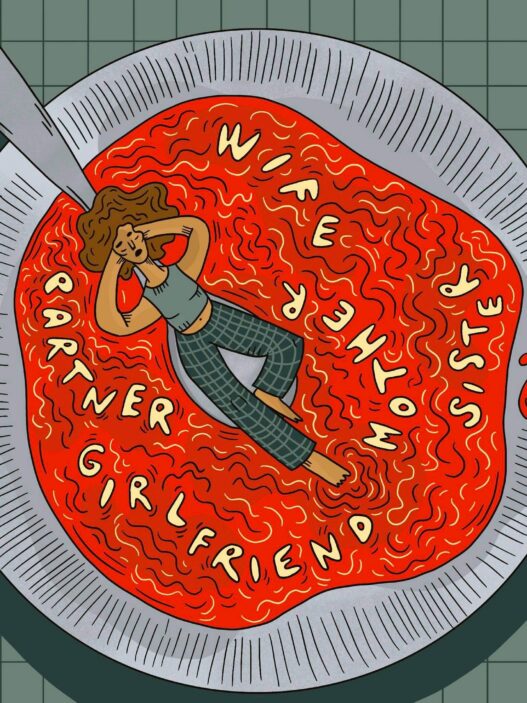
Nobody warned me about it. In fact, I never see anyone talking about it. But for me, and I think for many others, drinking wasn’t just a habit; it was a part of my identity and the basis of my lifestyle. It was a given to have a drink in my hand at any occasion, and I had a very elaborate routine of dealing with hangovers because they were also a part of my lifestyle, giving me an extra excuse to be cranky and grumpy during the morning and day until I finally got to “relax” over a drink in the evening. The thought of going for a drink after work calmed me down when I was riding a metro to work at 8 a.m. Even now, nearly two years sober, some mornings I catch this need to reward myself with a drink for being socially conforming, friendly, and somewhat productive.
I had to face who I am without a drink, which was not easy but wonderfully rewarding because I got to know this amazing woman inside myself, whose interests, reactions and vulnerabilities are not masked or distorted anymore.
Who am I? What do I actually like? What am I afraid or ashamed of? How do I present myself to others? How do I loosen up in the company of strangers?
All sorts of questions leading to figuring out the new me had to be worked out. Some of them remain unanswered and that is all right because I am enjoying getting to know myself.
- Yes to Sober Sex!
Even in my drinking days, I wasn’t a big fan of sex under the influence and often tried to moderate my drinking if I knew sex was on the menu. Being sober has shown me that the idea of “liquid courage” is mostly a myth: it doesn’t make things better, it just numbs me. Now, sex feels safer and more present — I’m in it because I want to be, not because my body is chasing some imaginary bravery.
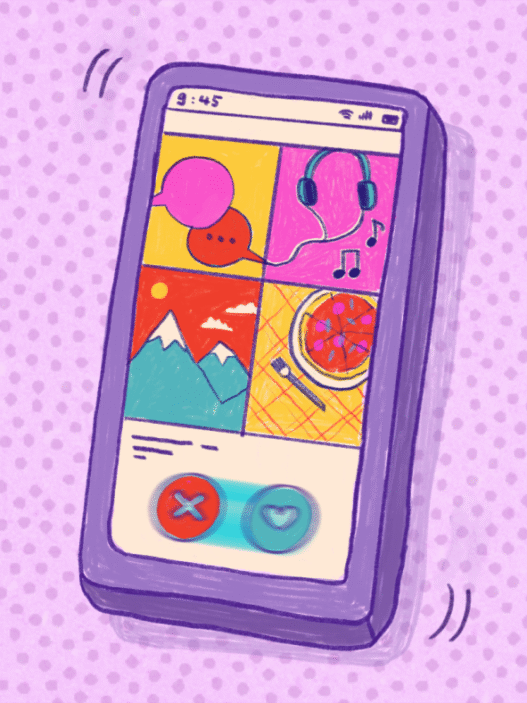
The downside? I’m rarely in it, because dating without the familiar drunk-to-sex transition is a puzzle I’m still figuring out. But there’s a strange kind of clarity in it, a reminder that wanting something and fully experiencing it feels more deliberate and authentically “me”. Quality over quantity, I suppose.
- There Is No Non-Alcoholic Equivalent of Seven Beers
Simple as that. I had no idea that beers just go through your system so that you can drink until you can’t stand on your feet. With non-alcoholic drinks, there is a limit — the body simply cannot consume that much liquid. Add sugar spikes, and you realise that sobriety comes with an unexpected discovery: you reach “enough” much faster.
- I Thought I Slept. I Didn’t.
Removing alcohol helped me prioritise my well-being over anything else. Since my youth, I don’t remember having a fresh and energised morning. By the time I approached my 30s, I had no idea what restorative sleep even was. It turns out that the alcohol hadn’t really left my system since my teenage years, and my sleep cycles were so disrupted that proper rest simply wasn’t happening. Alcohol significantly affects the quality of sleep, making it fragmented and reducing the most important phase of the sleep cycle responsible for cognitive function and emotional regulation. To put it simply: eight hours of sober sleep and eight hours of drunk sleep are very much not the same when it comes to regenerating the body’s and mind’s resources.
Once I discovered how restorative and restful sleep can actually feel, I just couldn’t compromise on it anymore. I know that if I don’t get a good night’s sleep I will be a useless, hateful goblin — and that is just unfair both to me and the people around me.
- My Whole Diet Was Built Around Alcohol
Seriously. I would choose what I was having for dinner based on what I planned to drink that day. Does it go with red or white? Beer and chips counted as a proper meal (my own interpretation of a girl dinner trend). Morning fast-food runs were a normal thing: a burger or kebab for breakfast to ease the hangover, calling in sick, spending the whole day in bed, binge-watching Netflix and eating pizza, and maybe opening another beer or two.
None of this is happening now. Without alcohol — or a hangover — as an excuse, my food habits have changed completely. I eat when I’m hungry or when I crave something specific. Yes, I’m a bit hung up on sugar, but compared to how much more of it I consumed through “just a couple of drinks”, my conscience is clear.

Looking back, there were many things I feared when I decided to quit. All of those fears, however, fall under a common denominator: change, which had a strictly negative connotation in my head back then. I guess my biggest takeaway from sober life is that change can be good — both around and within me. What’s more, this willful change is now a part of my new identity, which allows me to feel strong and proud for sticking to my choice every day.
Written by Lina Pazdnikova.
Lina is a Prague-based independent author and aspiring sex educator with a degree in gender studies and a lifelong fascination with how we talk about sex. A full-time dog mom. Big fan of 8h of uninterrupted sleep.